The Problem No One Wants to Talk About
Walk through any Nigerian university campus today, and you’ll find brilliant young people with a degree in hand, ambition intact — staring down a job market that simply doesn’t have enough room for them all. Graduate unemployment in Nigeria is not a new story. But what is Lead Transformation Initiative (LTI) doing about it? That part deserves far more attention.
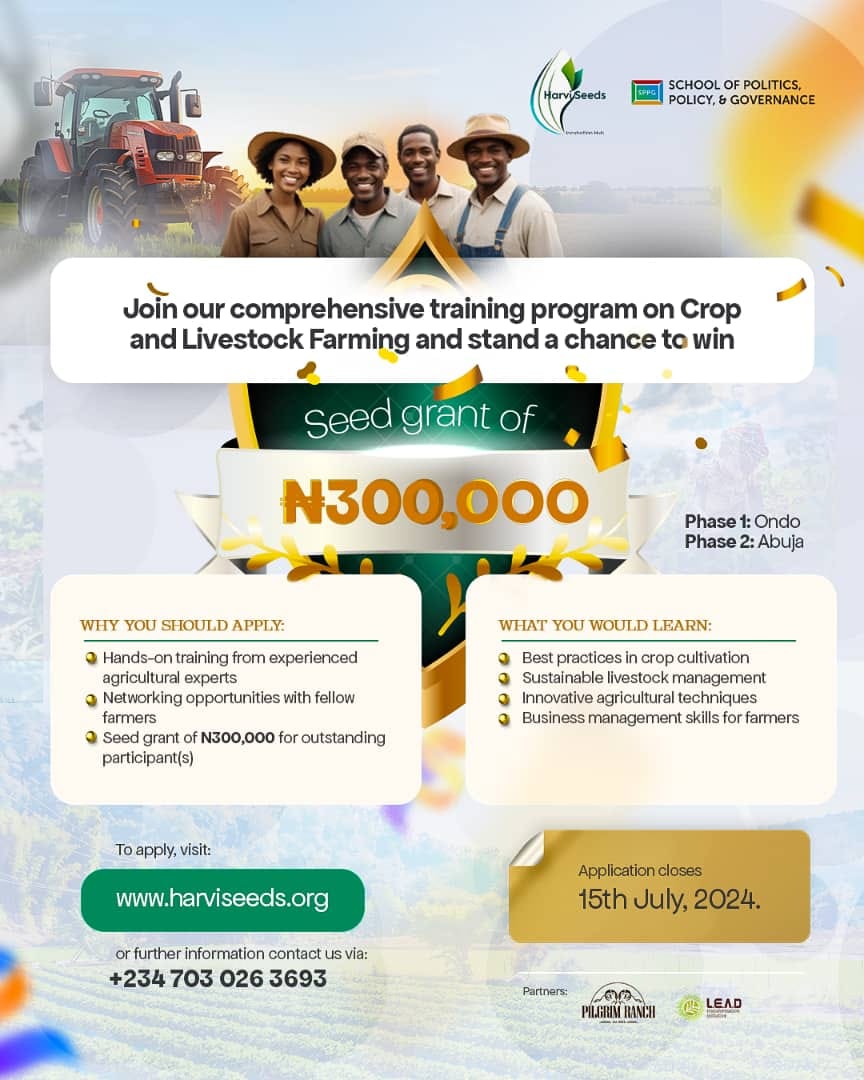
Since 2016, LTI has been running one of Nigeria’s most practical and uniquely designed youth development programs: the Sustainable Development Bootcamp, a six-month residential training experience that blends classroom education with real hands-on agricultural enterprise. And between July 2020 and June 2021, even in the middle of a global pandemic, the program hit new levels of impact.
What Is the Sustainable Development Bootcamp?
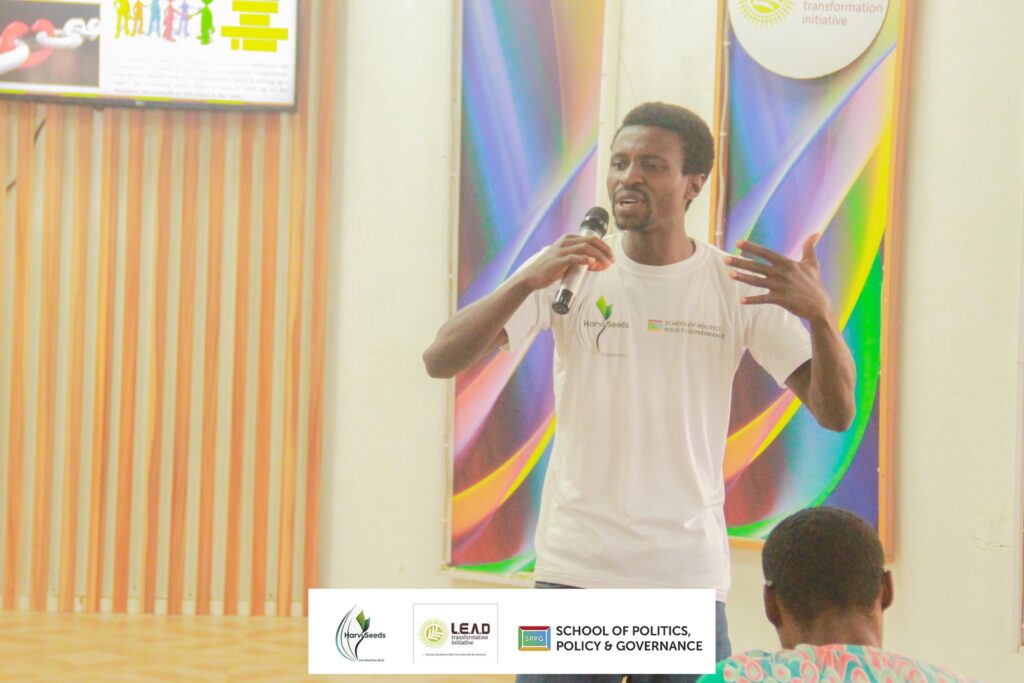
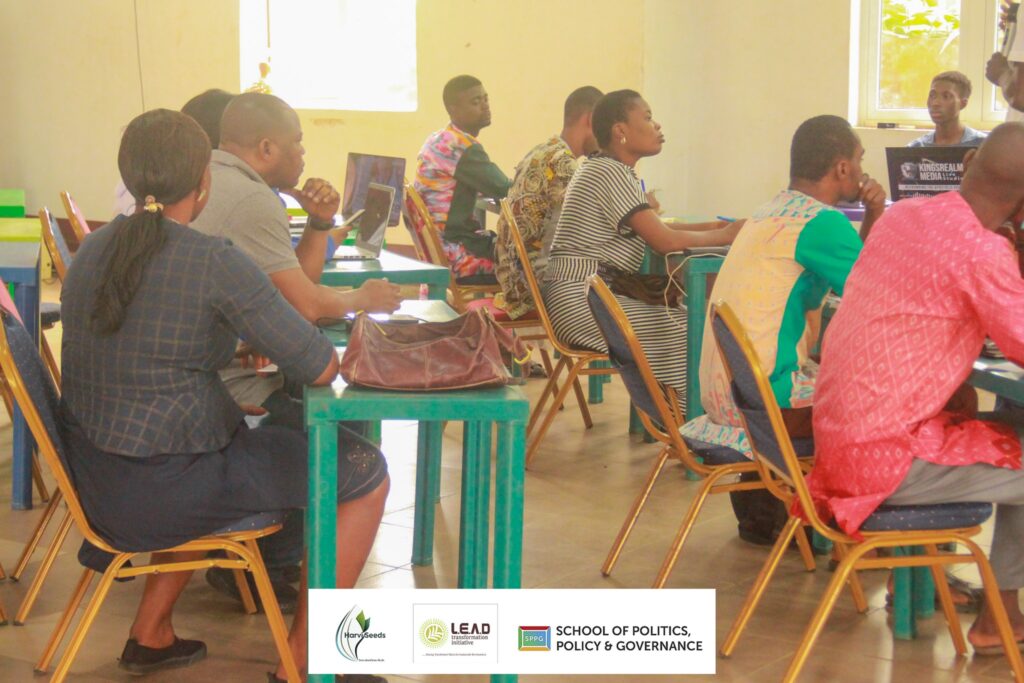
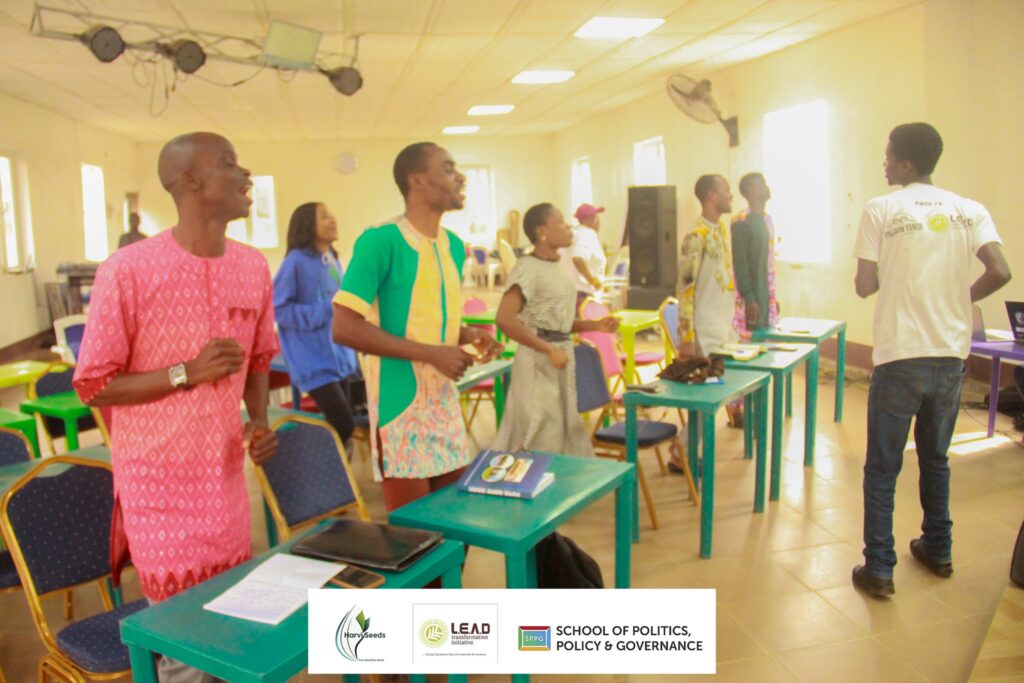
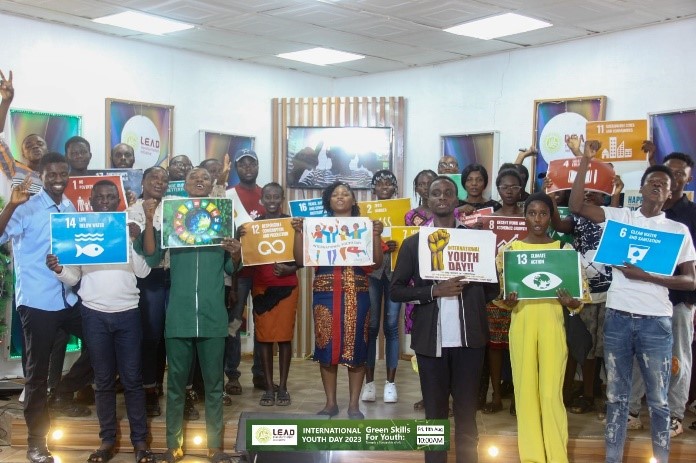
The Sustainable Development Bootcamp is not your average skills training program. It is a fully residential, six-month transformational experience designed to take young Nigerians (recent graduates or undergraduates) and equip them with the mindset, knowledge, and practical tools to build sustainable enterprises rooted in the United Nations Sustainable Development Goals (SDGs).
The curriculum covers everything from idea generation and systems design thinking to agroforestry, fish farming, beekeeping, snail farming, poultry management, tomato and cucumber cultivation, plantain value addition, and financial literacy. Participants don’t just sit in classrooms — they get their hands dirty on demonstration farms across Ondo, Osun, and Lagos states.
In the reporting period covering July 2020 to June 2021, the fourth and fifth editions of the bootcamp enrolled a total of 66 youths across two cohorts. The participants came from institutions like the Federal University of Technology, Akure (FUTA), Federal College of Agriculture, Akure, and Ekiti State University.
Training That Thinks Globally While Acting Locally
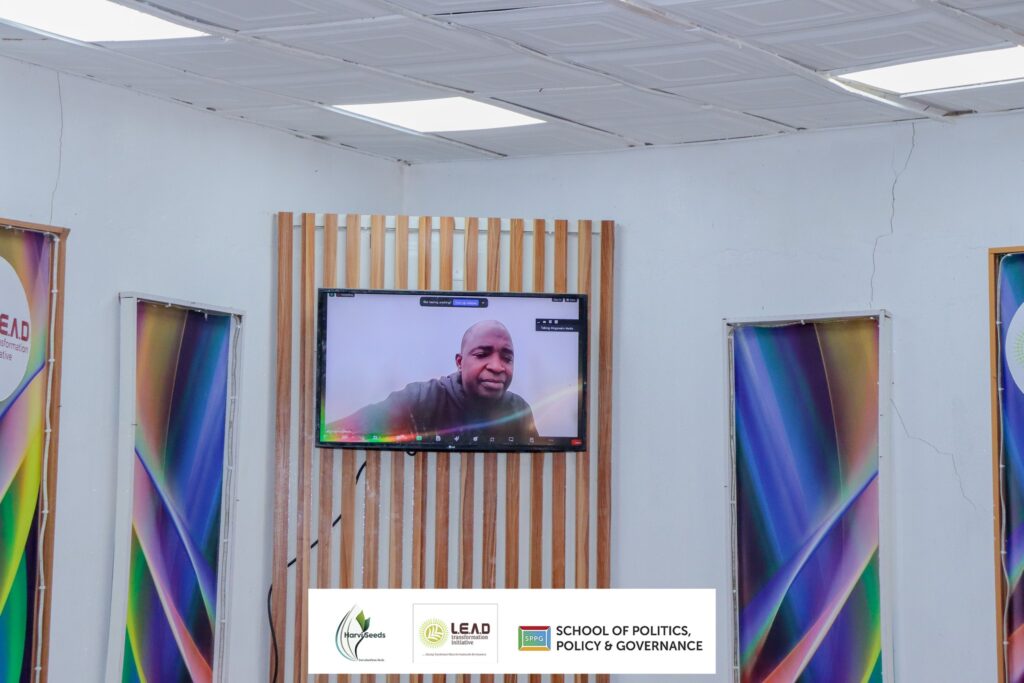
One of the most innovative additions to the bootcamp’s fourth edition was a virtual engagement series that brought international experts directly to the participants — even during the height of COVID-19 lockdowns.
The programme hosted speakers from Switzerland, India, Australia, Rwanda, Kenya, China, the Netherlands, and Nigeria. This global perspective, paired with grassroots agricultural practice, is what sets LTI’s approach apart. Participants are not trained to seek jobs; they are trained to create them.
From Classroom to Farm: Real Impact on the Ground
The numbers from this period speak for themselves. The 66 trained youth participants became active contributors to all of LTI’s flagship projects — Youth Grow Natural, Mariwo Natural, TeensGrowForest, Agrogender Development, Smart Farmers’ Kids, and Financial Inclusion. Here is a glimpse of what they accomplished:
Tree Planting and Agroforestry
Participants maintained an existing nursery of 20,000 tree seedlings and established 13,000 new ones. Over 14,000 trees were sold as part of an afforestation exercise, and approximately 4,000 were directly planted across communities in Osun and Ondo states. In Osun State alone, 2.5 hectares of ordinary forest land were converted into food-producing forest.
Fish Farming
Youth participants maintained a 10,000-capacity fish pond in Akure, installed a new 2,000-capacity mobile pond for a client, set up a fish hatchery and smoking kiln at the LTI demo farm, and expanded fish pond infrastructure in Lagos. The fish was sold with value addition (smoked catfish), directly improving local food supply chains.
Food Production Across Multiple States
Farms in Ayepe, Barawo, Dagbolu, and Mariwo saw active cultivation of maize, yams, tomatoes, cucumber, pepper, cassava, and plantain. In Ayepe alone, a 2-hectare vegetable agroforestry demonstration farm was established, and in Mariwo, crops including rice, tomatoes, and cucumbers were planted at successive intervals.
New Startups
After the six-month programme, nine new startups emerged. They are all offering indigenous solutions to real problems in their communities. Three existing businesses, such as Smartte and Blessed Academy, were also restructured for scale and global relevance.
Reaching Beyond Youth: Women, Rural Farmers, and Community Infrastructure
The bootcamp does not operate in isolation. It is the engine that powers LTI’s wider network of community transformation projects.
Agrogender Development worked with over 543 rural and market women in Apomu, Mariwo, and Akure during this period. Twenty rural women in Ifedore LGA and twenty market women in Apomu received soft loans to grow their businesses. Over 500 market women were trained in business development and financial literacy, achieving a 70% loan recovery rate — a remarkable indicator of the programme’s real financial impact.
Smart Farmers’ Kids provided educational support to 41 rural children who had been locked out of school by the pandemic. Kids in Mariwo, Ayepe, and Barawo received training in basic ICT, container farming, arithmetic, and personal hygiene.
Rural Community Development saw the installation of motorized boreholes in Oke-Ola and Ayepe communities, along with a modern two-room toilet facility in Oke-Ola — directly reducing open defecation and improving the quality of life for hundreds of residents.
Financial Inclusion extended soft loans to 35 rural businesses and 17 peri-urban and urban businesses, helping entrepreneurs access working capital outside the grip of high-interest formal bank loans.
The School of Ideation: A Gateway for Those Who Didn’t Make the Bootcamp
Because demand for the bootcamp consistently exceeds available slots, LTI developed the School of Ideation — a shorter, intensive course that introduces participants to systems thinking, design thinking, and SDG-aligned enterprise ideation. In this reporting period, 33 participants completed the programme, including 13 from academic institutions and 20 from religious organizations.
LTI has ambitious plans to integrate the School of Ideation curriculum as an official entrepreneurship entry point for the Federal University of Technology, Akure — a move that could eventually scale its reach to thousands of students annually.
Challenges That Still Need to Be Solved
Honest reporting matters. LTI does not shy away from naming the real obstacles that limit the programme’s impact:
- Most participants lack personal computers, limiting research quality during training and participation in virtual conferences.
- Graduates who complete the bootcamp fully equipped with skills often cannot start their enterprises due to a lack of startup capital and infrastructure.
- Growing insecurity across rural areas makes acquiring and securing farmland increasingly difficult.
- The rented residential facility for participants is becoming unstable, threatening the consistency of the training environment.
These challenges are solvable — but they require investment, partnership, and policy attention.
Closing Thought: Transformed Minds, Sustainable Communities
In 2016, LTI started with a small idea. By mid-2021, it was operating across 11 communities in three states, managing 18.5 hectares of farmland, running active programs for youth, women, children, and rural farmers — and doing so in the middle of a pandemic that broke many far better-resourced organizations.
What keeps this work alive is not just the funding. It is the clarity of vision that transformed minds to create sustainable communities. The Sustainable Development Bootcamp is where that transformation begins — and the ripple effects are being felt from Mariwo to Lagos, and from Nigeria to the African Union’s assembly floor.
If you believe in this work, there are ways to get involved — as a partner, a sponsor, a volunteer, or simply as someone who shares this story widely enough that it reaches the people who can help take it further.
For partnership and support inquiries, contact LTI directly.