Nigerian Students Are Being Taught That Farming Is a Career Worth Choosing
Ask most Nigerian secondary school students what they want to be when they grow up, and you will hear the usual answers — doctor, lawyer, engineer, banker. Rarely will a young person confidently say farmer. Not that farming is not important, but because for too long, agriculture has been presented to young people as a last resort rather than a first choice.
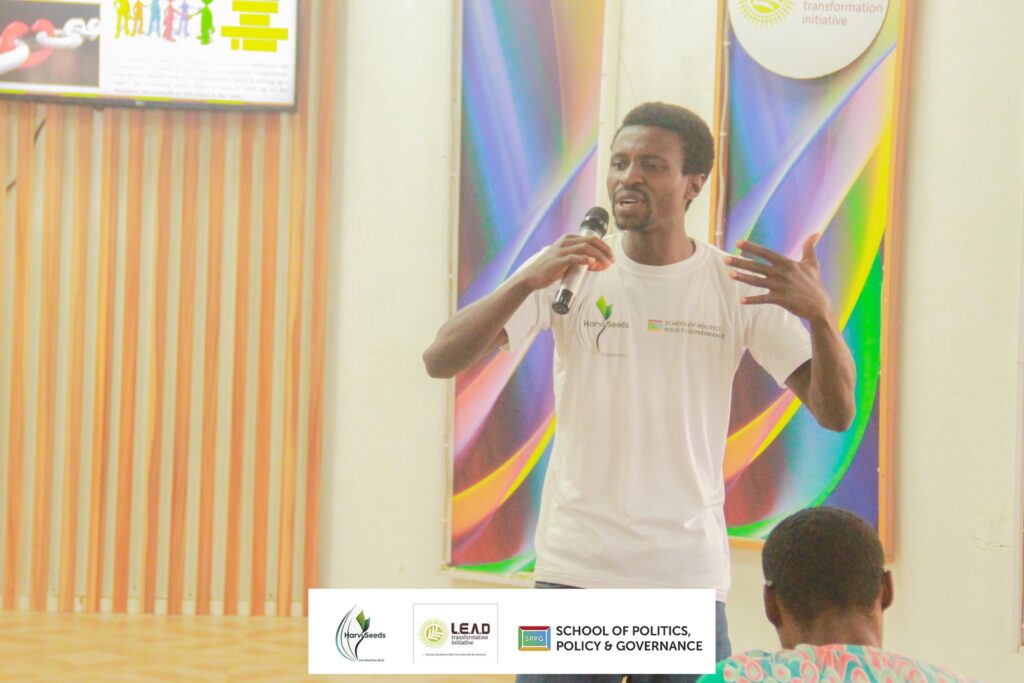
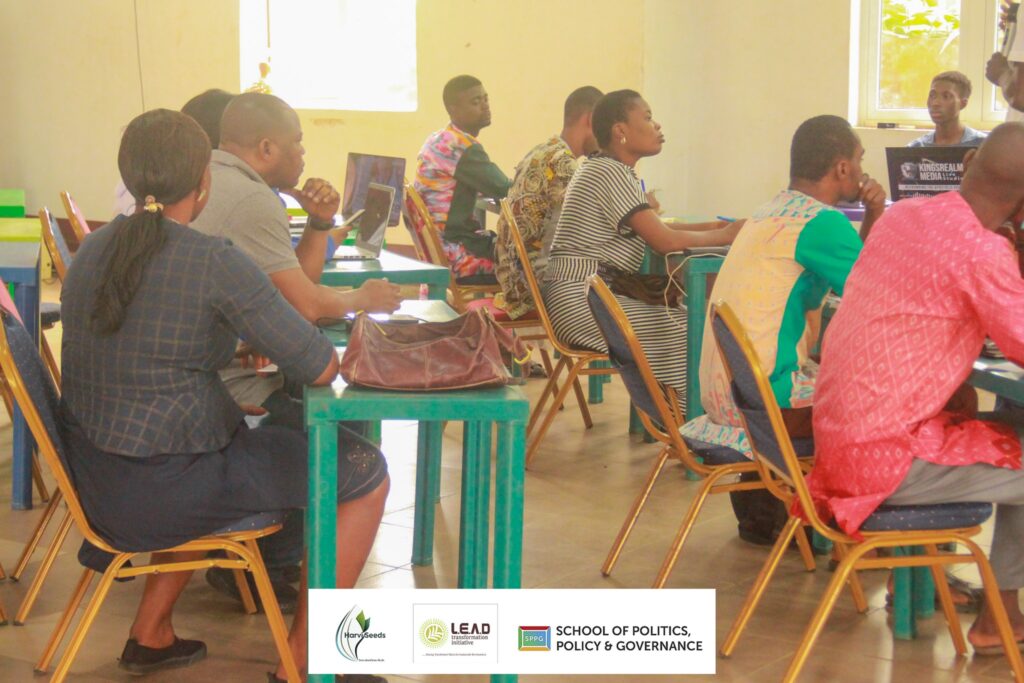
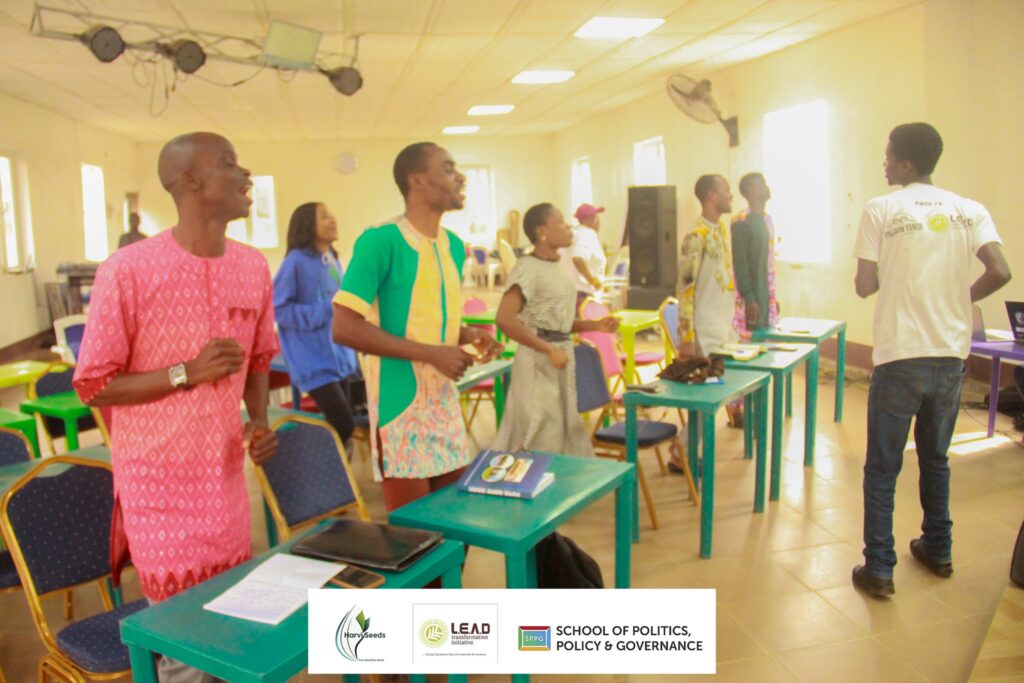
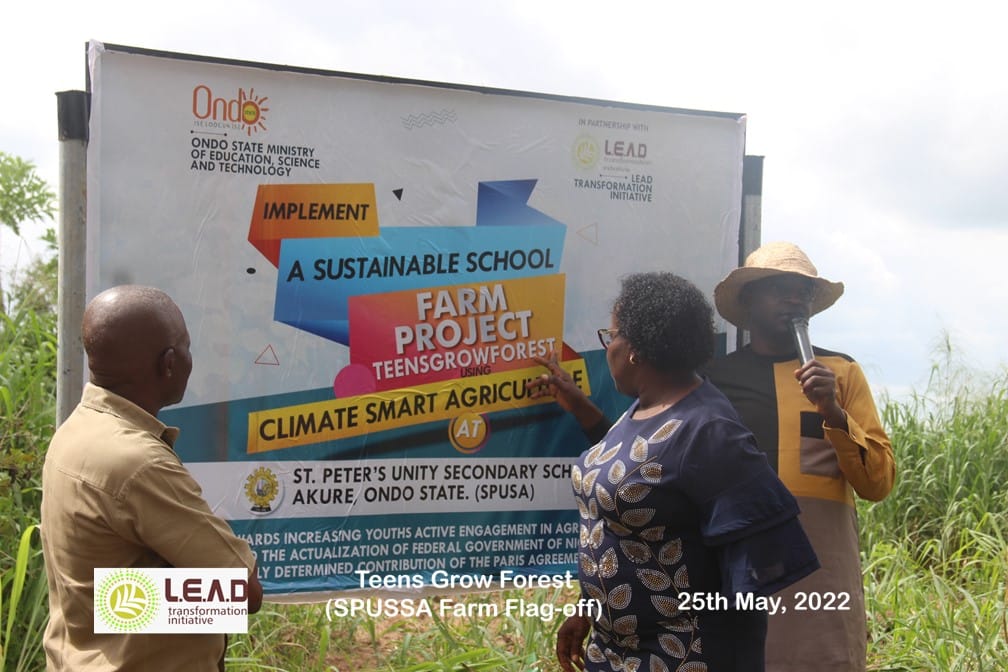
That is exactly the perception that Lead Transformation Initiative’s TeensGrowForest project is working to change, one school farm at a time. Since 2019, LTI has been running a hands-on agricultural skills programme inside a secondary school in Akure, Ondo State. And what started as a modest intervention has quietly grown into one of the most tangible examples of youth-in-agriculture education happening at the grassroots level in Southwest Nigeria.
Six Years, Over 1,000 Students, One Transformational Idea
The numbers, on their own, are already impressive. Since the project launched in 2019, over 1,000 students at the school have passed through practical agricultural training sessions that go far beyond what a textbook can offer.
But the real story is not just in the count. It is in what changed for each of those students — the moment a teenager who had only ever read about photosynthesis actually watched a seedling push through soil they had prepared themselves. The moment a student who had never thought about where their food came from began to understand the full chain between seed and table. The moment agriculture stopped being a subject to pass and started feeling like a skill worth developing.
That shift in perception (from agriculture as drudgery to agriculture as craft, science, and viable livelihood) is precisely what this project was designed to create.
Bridging the Gap Between Theory and the Real Farm
Agricultural science is taught in Nigerian secondary schools. Students sit in classrooms, take notes on crop rotation, soil nutrients, and pest management, and then write exams that test their ability to recall those concepts on paper. What is often missing is the chance to actually do any of it.
This is the gap that TeensGrowForest fills. By bringing students directly onto a working school farm, the project provides practical agricultural skills that complement and breathe life into what students are already learning in class. Theoretical knowledge that might otherwise fade after exam season becomes anchored to lived experience, and lived experience is what creates genuine competence and lasting interest.
A student who has turned compost, planted seedlings, monitored crop growth, and harvested produce does not just understand agriculture intellectually. They understand it in their hands. And that is a fundamentally different kind of knowing.
The School Farm Is Also Feeding the School
One of the most quietly powerful dimensions of this project is that the school farm is not just a learning space; it is a productive one. Produce from the farm has been used to support the kitchen needs of the school, meaning students are not only growing food, but they are consuming it.
This closes a loop that agricultural education in Nigerian schools rarely manages to close. The farm is not decorative. It is functional. It contributes to the school’s food supply in a direct, measurable way. This also sends students a message that no lesson plan can fully deliver on its own: farming feeds people. Including them. Right now. Not hypothetically, not in some distant future — today, this farm, this harvest, this meal.
When young people see that connection up close, something shifts in how they value agricultural work.
Why Youth Perception of Agriculture Is a National Food Security Issue
It would be easy to see a school farm project and think: nice initiative, limited scope. But zoom out, and the stakes become much clearer. Nigeria has an ageing farming population. The average Nigerian farmer is well over 40 years old, and the rate at which young people are entering the agricultural sector is not keeping pace with the rate at which older farmers are retiring or passing on. If this trend continues unchecked, Nigeria faces not just a food production gap but a knowledge and labour gap in its most essential industry.
The solution is not to force young people into agriculture. It is to make agriculture genuinely attractive and present it as a sector with real career pathways, technological innovation, entrepreneurial opportunity, and social importance. It is to give young people the skills and the confidence to see themselves in it. That is what projects like TeensGrowForest are doing, one student at a time. And when you multiply that across 1,000 students over six years, the cumulative effect on Nigeria’s agricultural workforce becomes significant.
Climate-Smart Agriculture Starts in the Classroom
The TeensGrowForest project is not just about teaching conventional farming. It is grounded in the principles of climate-smart agriculture (CSA) and agroforestry in Nigeria and across Sub-Saharan Africa. By introducing students to these frameworks early, the project is seeding an entire generation with the mental models they will need to farm sustainably in a changing climate.
Agroforestry, in particular, is a system that integrates trees with crops and livestock in ways that improve soil health, increase biodiversity, sequester carbon, and build long-term productivity. It is the kind of farming that serves both people and the planet. Teaching it to teenagers is not just good agricultural education — it is climate action at its most practical and most hopeful.
What Ondo State Stands to Gain
Akure, the Ondo State capital, sits at the heart of a state rich in agricultural potential. Ondo is among Nigeria’s leading producers of cocoa, timber, and a wide range of food crops. Its climate and soil support diverse farming systems. And yet, like much of Nigeria, it faces the challenge of keeping young people engaged with the land.
Projects like TeensGrowForest (aligned and supported by the Ondo State Government’s broader development agenda) represent exactly the kind of grassroots agricultural revival that the state’s food economy needs. When young people in Akure grow up with hands-on agricultural skills, they do not just become better farmers. They become agricultural entrepreneurs, agripreneurs, food processors, agro-traders, and innovators who build enterprises that create jobs for others. The ripple effect of practical agricultural education at the secondary school level extends far beyond the farm gate.
TeensGrowForest as a Replicable Model
What LTI has built in this school in Akure since 2019 is not just a local success story; it is a replicable model for how schools across Nigeria and Sub-Saharan Africa can integrate meaningful agricultural education into the secondary school experience.
The model works because it is practical, embedded in an existing school structure, produces tangible outputs (food that feeds the school), and changes how students feel about agriculture rather than just what they know about it. Any school with land, willing teachers, and access to the right training support could adopt a version of this approach. Any NGO, state ministry of education, or private sector agricultural partner looking to invest in youth agricultural development could look to what LTI has built here as a proof of concept.
A Call to Those Who Believe in Young Farmers
The future of Nigerian agriculture will not be decided in boardrooms or policy documents alone. It will be decided on farms like this one, where a 14-year-old picks up a hoe for the first time, gets it wrong, tries again, and walks away six weeks later understanding something about soil, seeds, and themselves that no classroom could have taught them alone.
If you work in agriculture, education, development, or policy and you believe that Nigeria’s food future depends on winning over the next generation, then this work deserves your attention, your support, and your voice.
Share this story. Advocate for school farm programmes in your community. Push for agricultural education to be treated as the serious, practical, career-relevant subject it actually is. Because every student who leaves secondary school with real agricultural skills and genuine enthusiasm for the sector is one more reason to be hopeful about Nigeria’s food security. And there are now over 1,000 of those reasons growing right here in Akure.
For partnership and support inquiries, contact LTI directly.