The Pandemic Nobody Planned For, Especially Not Rural Entrepreneurs
When COVID-19 swept across the world in 2020, it did not discriminate by geography. But it did discriminate by economic standing. And at the very bottom of the economic ladder were rural entrepreneurs. Women, mostly. Running small businesses out of rural communities that the formal economy had already largely ignored before the pandemic arrived.
Large corporations had reserves to draw down. Medium-sized businesses had accountants and lawyers to help them navigate lockdown relief programmes. But what about the woman in Mariwo community who sells farm produce at a local market? The one whose entire working capital fits in a small bag under her bed? The one whose business does not have a registration number, a bank account, or a government contact to call?
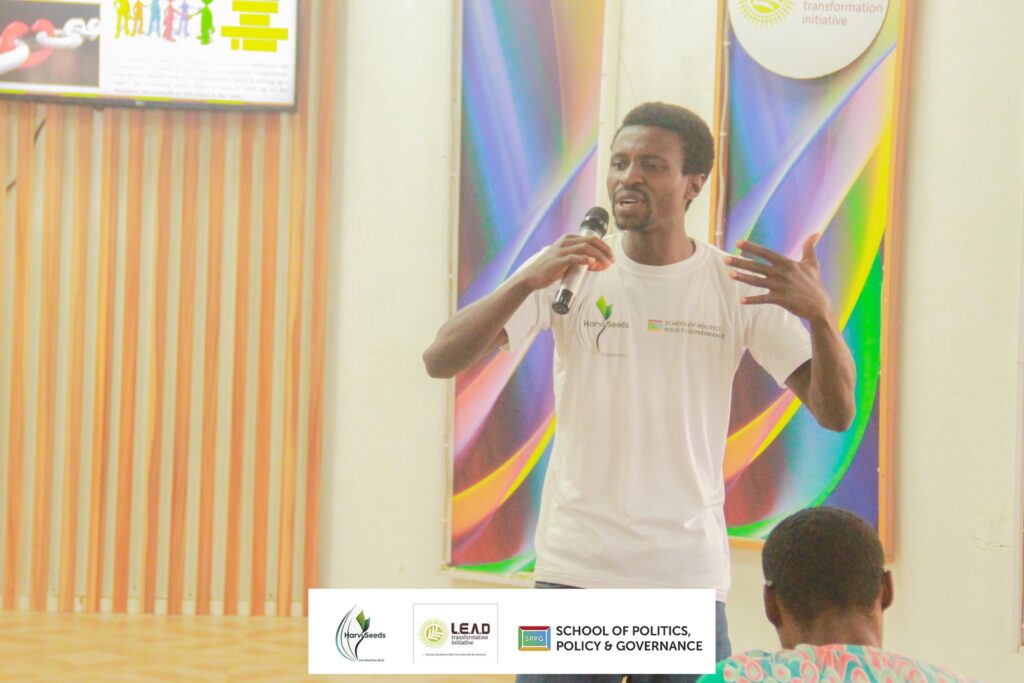
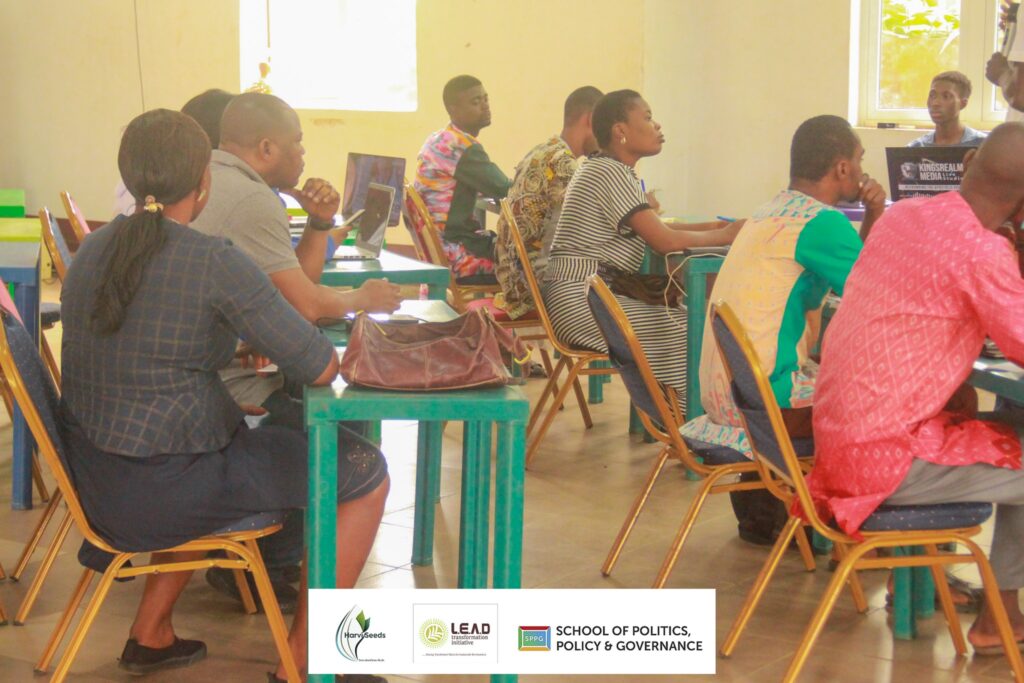
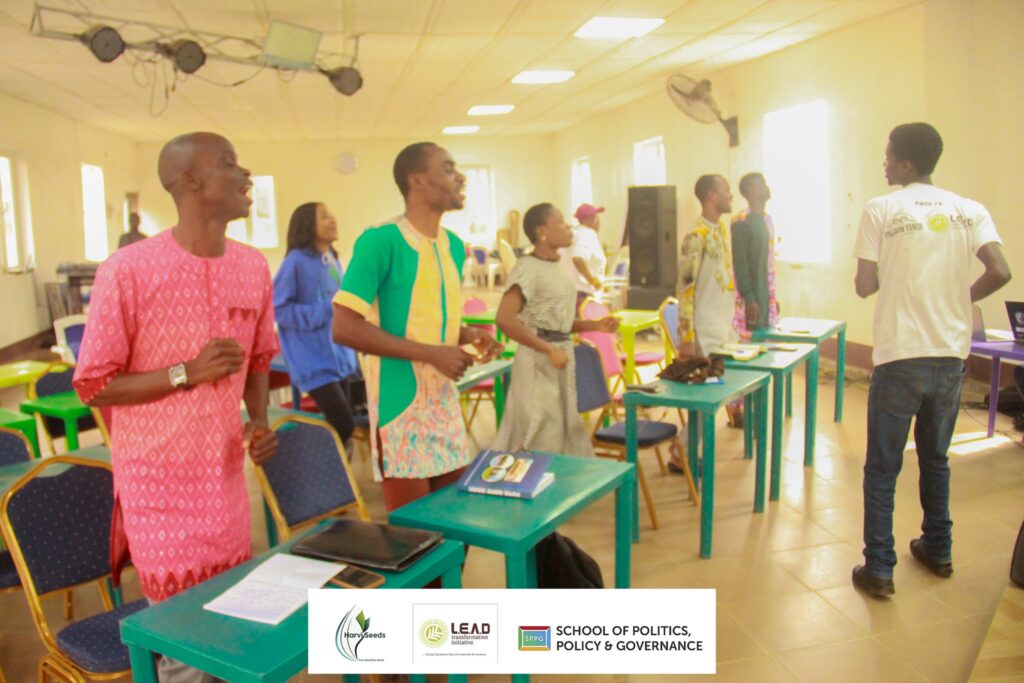
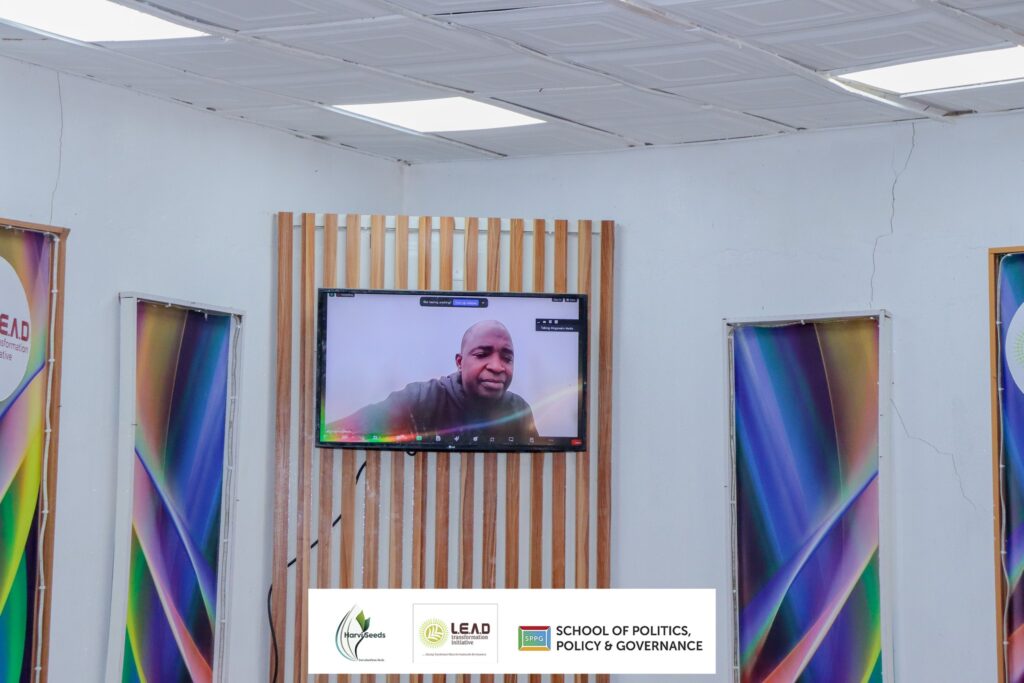
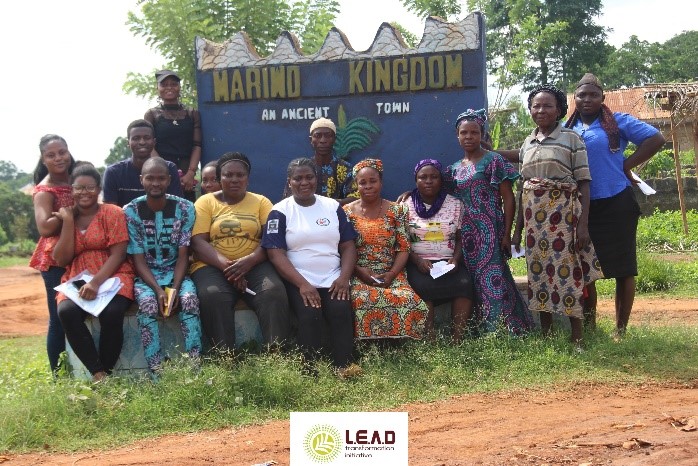
That is exactly the question that Lead Transformation Initiative (LTI) went to the Mariwo community to answer. Not theoretically, but in person, sitting with the women whose businesses were on the line.
What Is Table Banking and Why Does It Exist?
Before the pandemic changed everything, LTI had already been doing something quietly powerful in Mariwo. They had established a Table Banking scheme — a community-based financial empowerment model designed specifically for rural business owners, the majority of whom are women.
Table banking is a model that works precisely because it does not require what formal financial institutions demand. No collateral. No credit history. No lengthy application process. No punishing interest rates. Instead, it works like this: a group of entrepreneurs (a cluster) pools their savings regularly and makes those pooled funds available as loans to members within the group. The table itself, literal or figurative, is where money is counted, loans are agreed upon, and repayments are tracked.
For rural women in communities like Mariwo, this model does not just improve access to funds. It changes the entire structure of how they relate to money and to each other. It builds financial discipline, community solidarity, and the confidence that comes from being part of a system that actually sees you as creditworthy — because your community does, even when a bank would not. LTI’s table banking scheme in Mariwo had been building this foundation steadily. Then COVID-19 arrived, and everything that the foundation was made of got tested at once.
The Visit That Mattered
When the full weight of the pandemic began to press down on Nigeria’s economy, LTI did not wait for the Mariwo cluster to come to them. They went to Mariwo. That decision says something important about what genuine community support actually looks like. It is not a phone call. It is not a social media post offering prayers and solidarity. It is a presence. A willingness to look at someone’s reality with them, without flinching.
What LTI found in Mariwo was predictable but no less sobering for that. The pandemic had disrupted supply chains, reduced market activity, cut household incomes, and made the already slim margins of rural micro-enterprises even thinner. Women who had been building their businesses patiently were now watching that progress threatened by a crisis entirely outside their control.
Listening First: Why Empathy Is Not a Soft Skill
The first thing LTI did in Mariwo was listen. This might sound obvious. It is, in practice, far less common than it should be. Development organisations visiting communities in crisis often arrive with answers before they have properly heard the questions. They bring pre-designed solutions and work backwards to fit them to the problem they find on the ground. The community becomes an audience for the intervention rather than a partner in shaping it.
LTI’s approach in Mariwo was different. The team listened (with empathy) to the cluster of rural women entrepreneurs as they shared what was happening to their businesses. The challenges were specific and varied: disrupted supply, reduced customer traffic, inability to restock, pressure from household members whose own incomes had dropped, and anxiety about loan repayments in an environment where revenue had dried up. This kind of listening is not passive. It is an active act of respect. It says: your experience of this crisis is data. Your understanding of your own business is expertise. We are not here to lecture you, we are here to think with you.
Shared Strategies for Staying Afloat
After listening came the collaborative work of problem-solving. LTI shared practical strategies with the cluster — approaches tailored to the specific conditions of rural micro-enterprises during an economic disruption of this scale. While the specifics of those strategies belong to the conversations that happened in Mariwo that day, the principles behind them are worth naming:
Diversification
In times of disruption, dependence on a single product or market becomes a critical vulnerability. Rural entrepreneurs who had been selling one thing to one cluster of buyers needed strategies for broadening what they offered and who they reached.
Cost reduction without business contraction
Cutting costs during a downturn is necessary, but must be done thoughtfully. Reducing overheads while maintaining the core productive capacity of a business is a skill that requires specific knowledge about which costs are essential and which can be trimmed without lasting damage.
Community-based demand stimulation
When external markets contract, local ones sometimes expand in relative terms. Entrepreneurs who understand how to meet the immediate needs of their own communities can find resilience in proximity selling what people around them actually need, not what they were already selling before the disruption.
Transparent communication within the table banking cluster
One of the most destabilising things that can happen to a savings and loan group during an economic crisis is the breakdown of trust — when members stop communicating, default quietly, or withdraw from the group. Maintaining honest, open dialogue within the cluster about who is struggling and what support is available was a critical strategy for keeping the collective intact.
The Assurance That Meant Something
At the end of their visit, LTI did something simple but important. They assured the Mariwo cluster of their continued commitment and support. In a moment when rural women entrepreneurs had every reason to feel invisible, being told by an organisation that has already walked alongside you that they are not going anywhere matters more than it might seem.
Support is not just financial. It is relational. It is the knowledge that when things get harder, which in a crisis they usually do before they get better, you will not be facing it alone. LTI’s commitment to the Mariwo cluster was not a press release promise. It was a face-to-face assurance, given in the same community where the table banking scheme was built, by the same people who helped build it.
Rural Entrepreneurship Cannot Be an Afterthought
Nigeria’s economic conversation, especially in times of crisis, tends to focus on the formal sector. Banks, listed companies, large-scale manufacturers, and exporters. These businesses matter. But they are not where most Nigerians earn their living.
The informal rural economy represents a vast and largely invisible engine of economic activity and household survival. When this segment of the economy is left without support during a crisis, the consequences are not just economic. They are human. Families go hungry. Children drop out of school. Women who had been building toward independence slide back into dependence.
Supporting rural entrepreneurship through models like table banking that work with the actual conditions of rural life rather than against them is not charity work. It is foundational economic development. It is building an economy from the bottom up, in the communities where most people actually live.
What Table Banking Teaches Us About Resilient Economies
The COVID-19 pandemic exposed, in the starkest possible terms, how fragile economies built entirely on external capital flows and global supply chains can be. When those chains broke, businesses that had no internal reserves and no community-level financial networks had nothing to fall back on.
The women in the Mariwo table banking cluster had something. They had each other. They had a shared pool of savings. They had a structure that was designed to function precisely when formal financial systems failed them. That is the quiet genius of table banking. It is not built for normal times. It is built for exactly the moments when normal breaks down.
LTI’s work to strengthen that structure before the pandemic arrived (for them to show up and reinforce it when the pandemic hit) is a case study in what resilient, community-rooted financial development looks like in practice.
Rural Women Are Not Waiting to Be Rescued
The women of Mariwo are not passive. They are not waiting for someone to solve their problems for them. They are building businesses in difficult conditions, saving money in a community pool, repaying loans faithfully, and figuring out how to keep trading through a global pandemic.
What they need is not rescue. It is recognition. Support. Practical tools and trusted partners who show up when things get hard and sit with them long enough to actually understand what is happening. That is what LTI is providing in Mariwo. And it is what table banking, at its best, makes possible, not just access to funds, but a dignified community-owned pathway toward economic resilience for the women who are (quietly and persistently) holding rural Nigeria together.
For partnership and support inquiries, contact LTI directly.